

The EU game scene was always something I admired from a distance. All the quirky interesting events that you’d only hear about when you attended GDC for your once-a-year catchup with friends that flew in from all around the world… You know, when you’d finally be able to get the (top secret) news of what they’ve been working on… Or who is doing what interesting new thing…
It’s different now, seeing it in person… It’s so much bigger than I could ever have imagined!
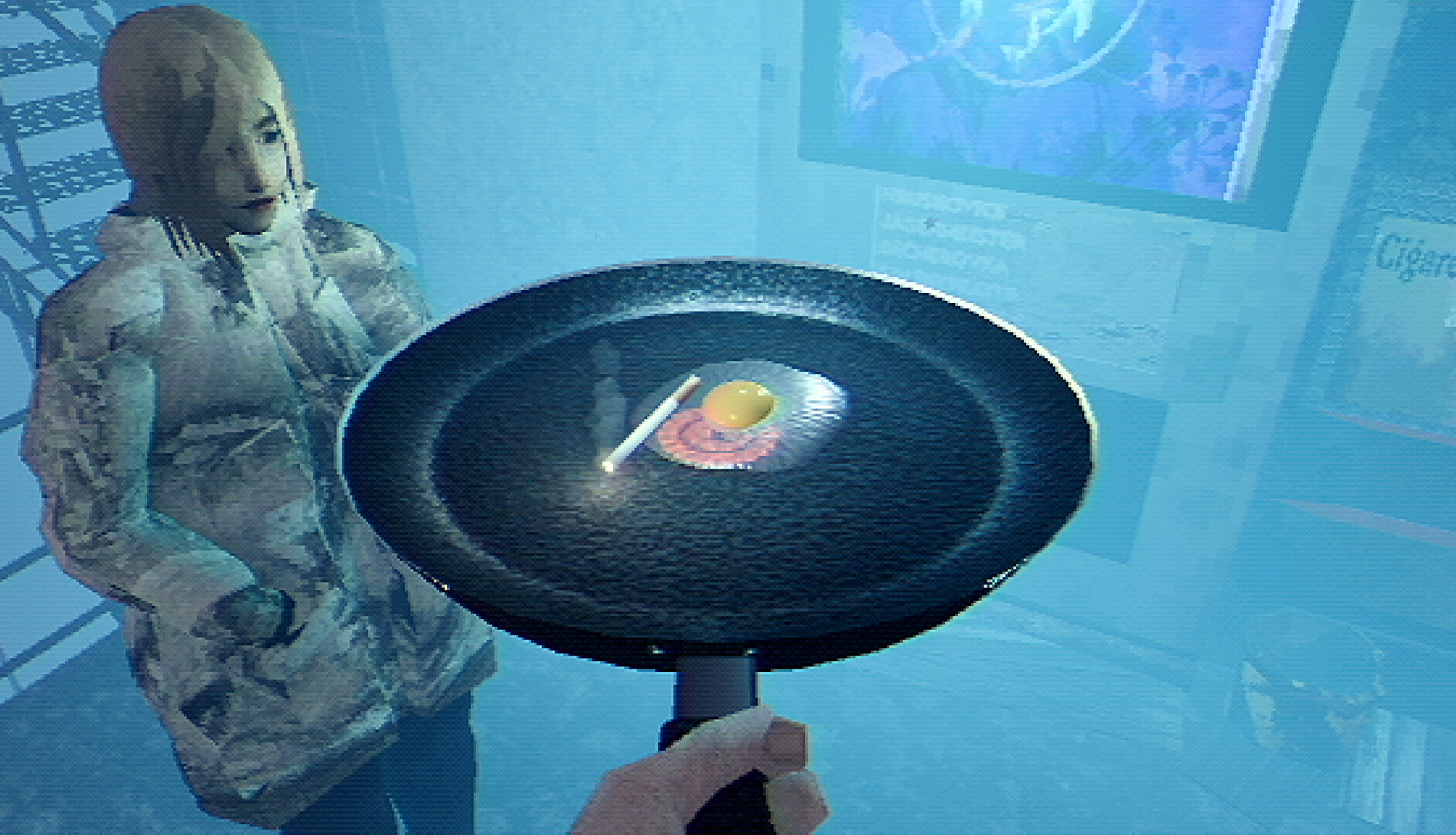
“Eggs: perfection in two parts. The simple whites. The sublime yolk. Each the lesser without its partner. Chorus and verse. A symphony of flavor. The catchy tune reminding us of warm baths and late-night movies. The elevator music to whatever lies beyond.” – Arctic Eggs
This post will have work randomly inserted between paragraphs, to pack the biggest possible punch!
I already rest my case. The international indiegame scene is full of undiscovered gems. They are waiting for you to find them.
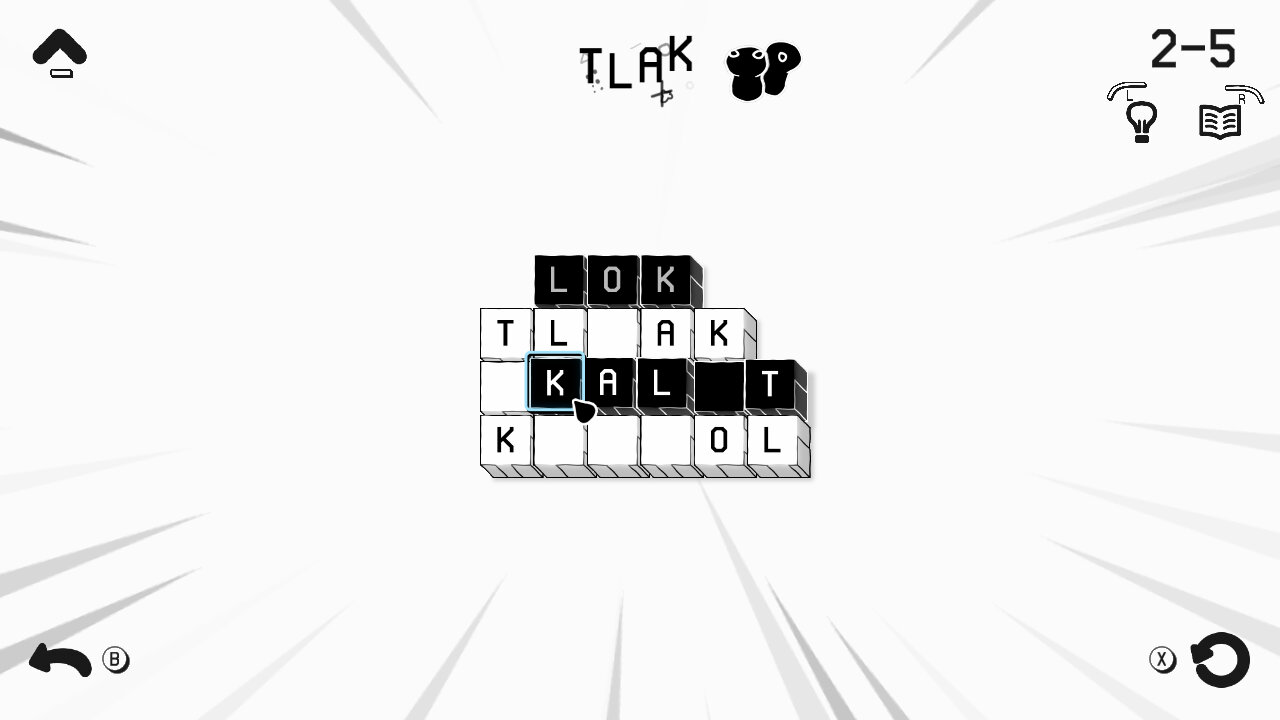
LOK has you play with a fictional language. It’s an unique puzzle experience that uses words as tricky game mechanic. For a word game, it’s hard to describe with words! LOK is one of those novel experiences that you need to experience for yourself.
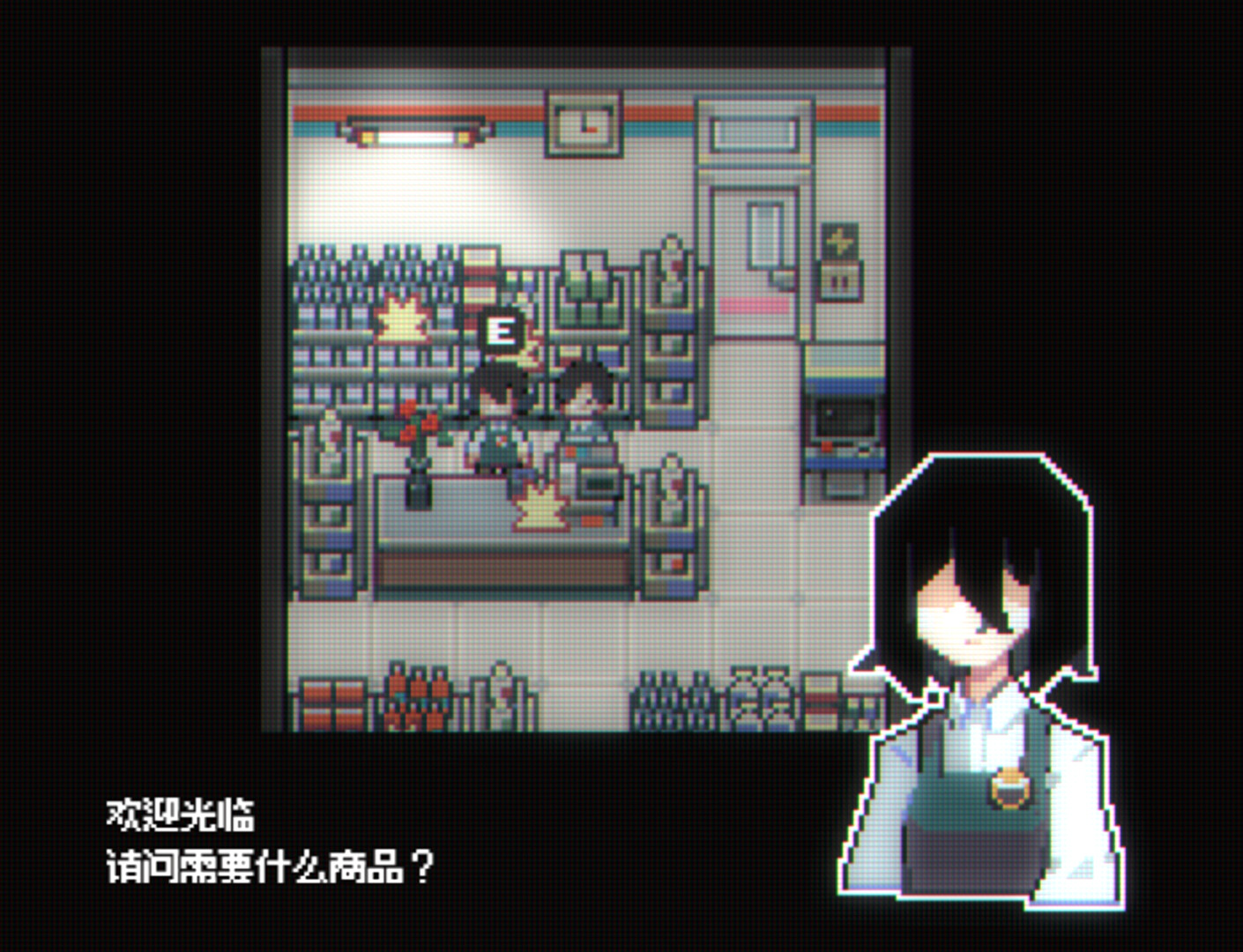
Ok and while I’m here on a tangent, inserting games between paragraphs, maybe also check out Illusion Box. Instead of words, you manipulate objects and furniture to solve puzzles. It’s bizarre at times, and moodily horror.
After “Individualism in the dead internet age” was nominated for IGF, it ended up catching the eye of another event in Japan, “art bit” in Kyoto, where it was showcased.
I wasn’t able to go, but that entire space is also something I admire from a distance. The Asian gamedev scene is a constant source of inspiration.
Every part of the world seems to have a different interpretation of what it means to make a game. All connected by a love for creating them… I’m inspired by how wildly different every community is. Even in cases of individuals, nothing is ever the same.
If you grew up playing console games, your games will be heavily informed by inspiration you draw from that era.
If you grew up playing shareware that you downloaded from shady websites (this is me), you draw from those experiences…
Everyone has a different view of what a game is.
Sometimes they’re not even games at all, because digital art is greater than that label, but the intersectionality is there.
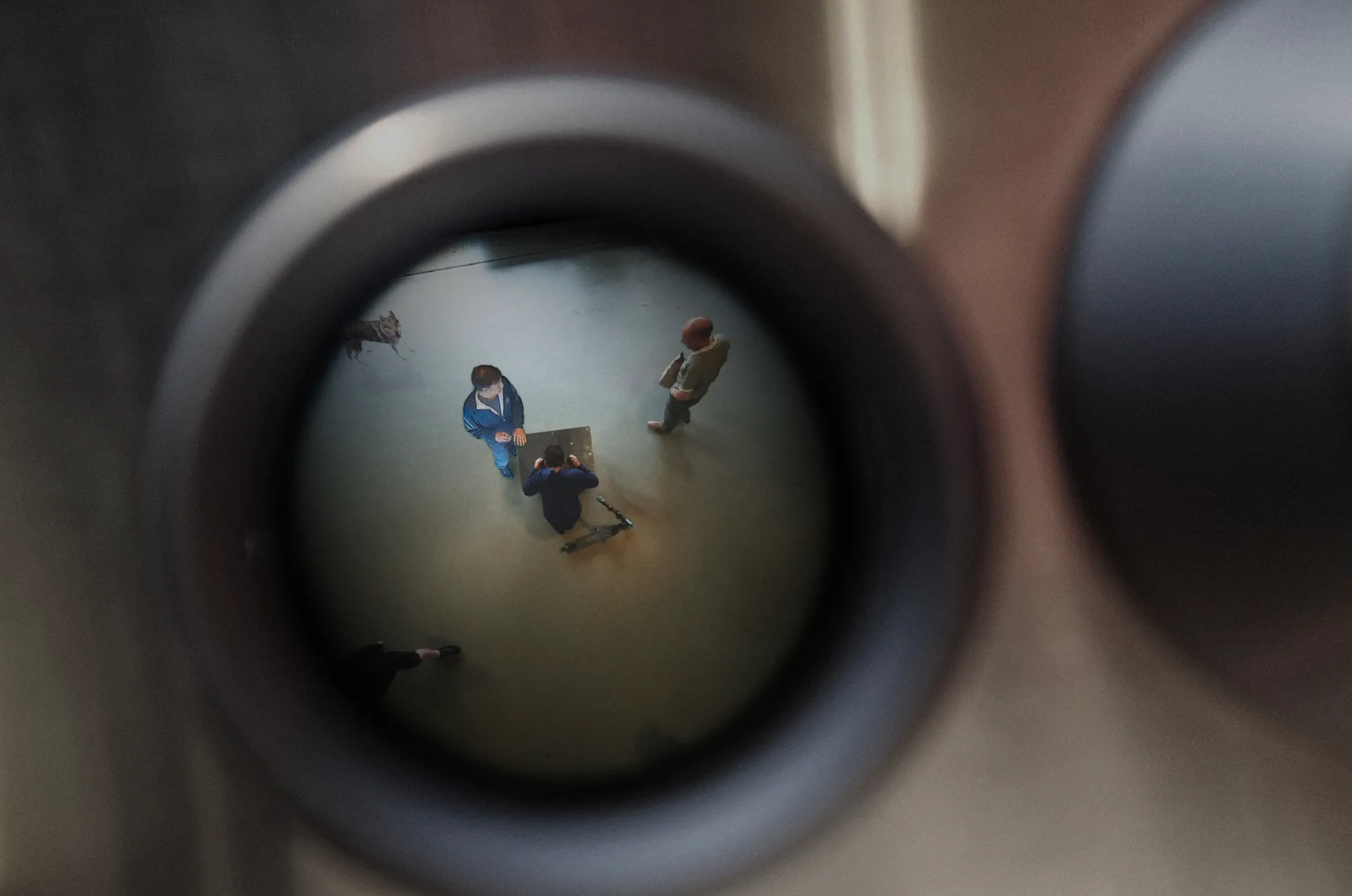
“Nothing to see here” is an immersive installation that is the closest thing to an out of body experience you can have. It takes the concepts of AR, but instead of using it to impose something over the environment, and extend the way you are in a space, it puts the perspective back on you. As you are looking into the device, you stare at your own body, seeing yourself, and things are happening around you (to you). It’s an almost invasive feeling that it gives you. I make mention of it here because I need people to know this thing exists.
As another side note, have you read Adriendittrick’s post mortem about Mapped by our ancestors yet?
I haven’t felt this seen as a game designer in a long while after reading a post mortem.
It’s about inspiration, personal evolution, and the discovery involved in building a game.
It’s not a linear journey! Game development is as much about self reflection, exploration, and curiosity, as it is about all the other seemingly impersonal technical things involved in making something.
“I wanted to give players the same feeling I had when I played this game, and I hope I succeeded. In most of my projects, I thrive to give players feelings of sorts. The mechanics have meaning, and I try to explain this meaning as if I was having a conversation with the player…”
– Mapped by our ancestors – a post portem by adriendittrick
It has been one whole year of being completely immersed in another space that was, until now, out of my reach.
It seems like an endless stream of festivals has reached out to ask me to participate in some capacity or another. I’ve given workshops, tons of lectures, keynotes, and showcased my work.
“Breaking News” is something I found at A MAZE. It’s an old CRT TV turned into an alternative controller, where you play the game by hitting the glitchy TV. Hitting it changes what is happening on the TV. The story itself is a hilarious existential experience about news, the end of the world… I guess it is fairly relatable given the era we are in. I mention Breaking News because it’s one of those projects you’d only ever really get to experience at an event… and then it will vanish into the ether of the yearly cycle of more games being released and more things to check out. Even so, this one was special.

Ljubljana (Slovenia) has a games club, aptly named Ljubljana Games Club, that’s like a book club but for games. They meet regularly to discuss a unique game the group decides on for each week.
I found BABBDI through it!
BABBDI is a short first person exploration game where you try to “escape” a giant brutalist city. The mood is dark at first. You probably judge it because it’s brutalist and therefore must be oppressive… but then you find that this city is inhabited with lots of colorful characters. It’s a beautiful atmospheric walking simulator in the same vein as Off-Peak or Bernband.
I’ve also had the pleasure of judging for festivals.
Judging exposes you to more work than you would normally get to experience… outside of social media recommendations, or attending festivals.
You discover these gems that might not actually make it into the festival, but you sure get to advocate for them!
There’s something to be said about caring about someone’s work enough to argue the legitimacy of it… to hopefully even get it included. You see these games in a totally different light. It’s different than just playing it and moving on from it when you’re done.
The games that mattered the most to me are the point of this post!
IndieCade invited me to judge on their committee. I’ve never judged for them before, even though they’ve done so much for my work.
I can’t count the friendships made, and games discovered… because of them.
I sill picture my first IndieCade when it was in that parking lot in Culver City. The sun blasting down on tents filled with vibrant games, noise, people… For an event that felt as lively as a carnival.
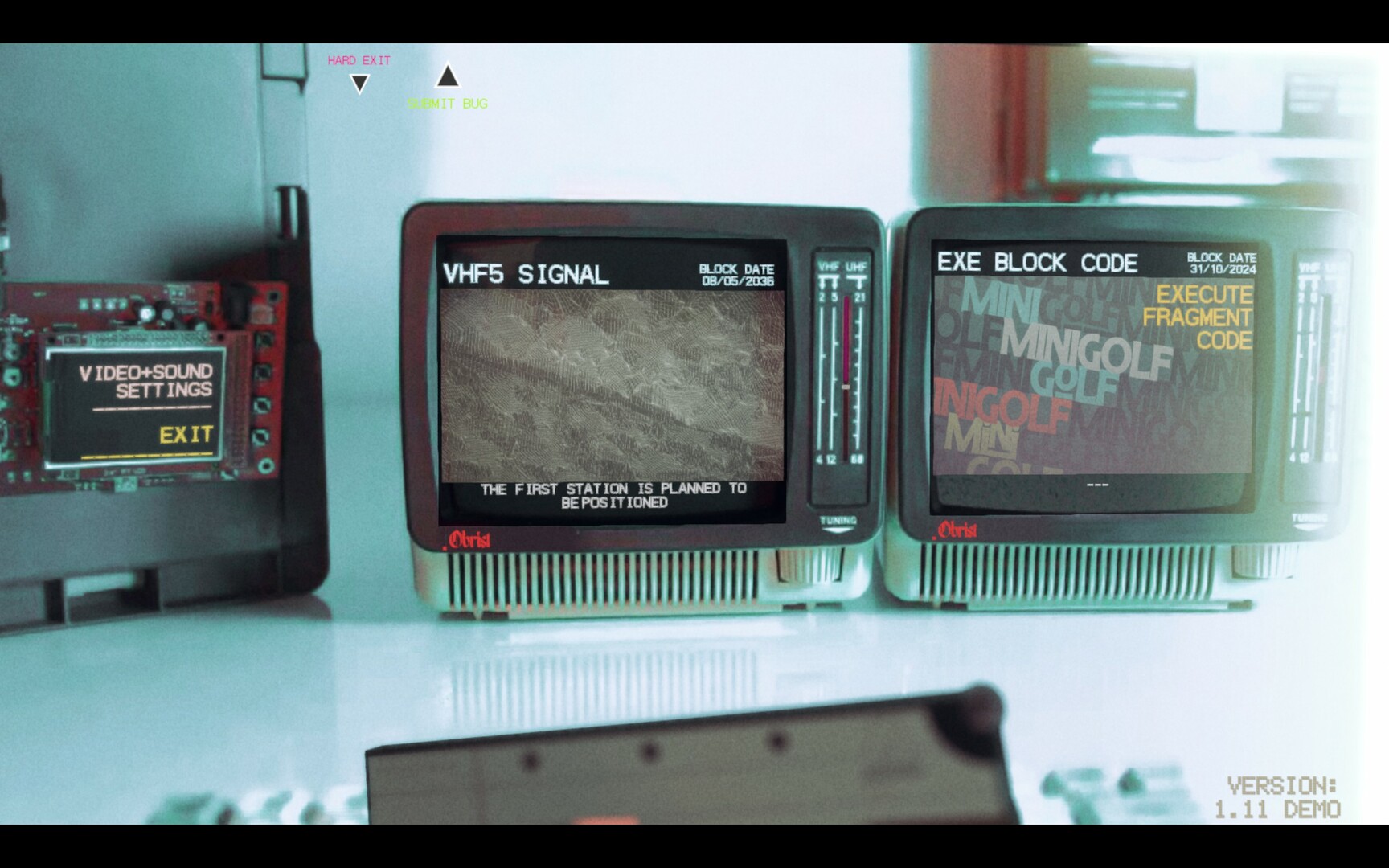
Mini Mini Golf Golf, by Three More Years, was one of my favorites from this year.
If you played it, you’d know why. Play it!!
Mini Mini Golf Golf does this genius things with UI, story, and subtle messaging, combined with the way you play something as unassuming as golf.
Golf, even in terms of indiegames, is something you’d completely brush off. It’s like taking Tic Tac Toe, or a match three game, and doing something with that format that completely catches you off guard. Playing golf is treated as a delivery mechanism for the story, kind of breaking and glitching in a way that feels like layers of reality slowly peeling away.
Mini Mini Golf Golf has given me a lot to think about, just from an artistic standpoint. All these elements that you’d usually not really notice… Like the way you interface with the UI, what could be boring interactions in themselves, are brought alive with this depth of intrigue.
I never even thought of golf as a mechanism to convey dystopian fiction, but this game does it in ways that make it seem like an obvious combination.
In a lot of my talks this year I pointed out how I feel like the current generation of indie game developers has much more courage than we used to have when taking on difficult topics, especially those of trauma.
I reference “He Fucked the Girl Out of Me. by Taylor McCue” pretty much as a standard. When I look back at how it was when “indie” was just getting past the casual games movement (Flash era), I think we’ve come far with what we allow ourselves to talk about.
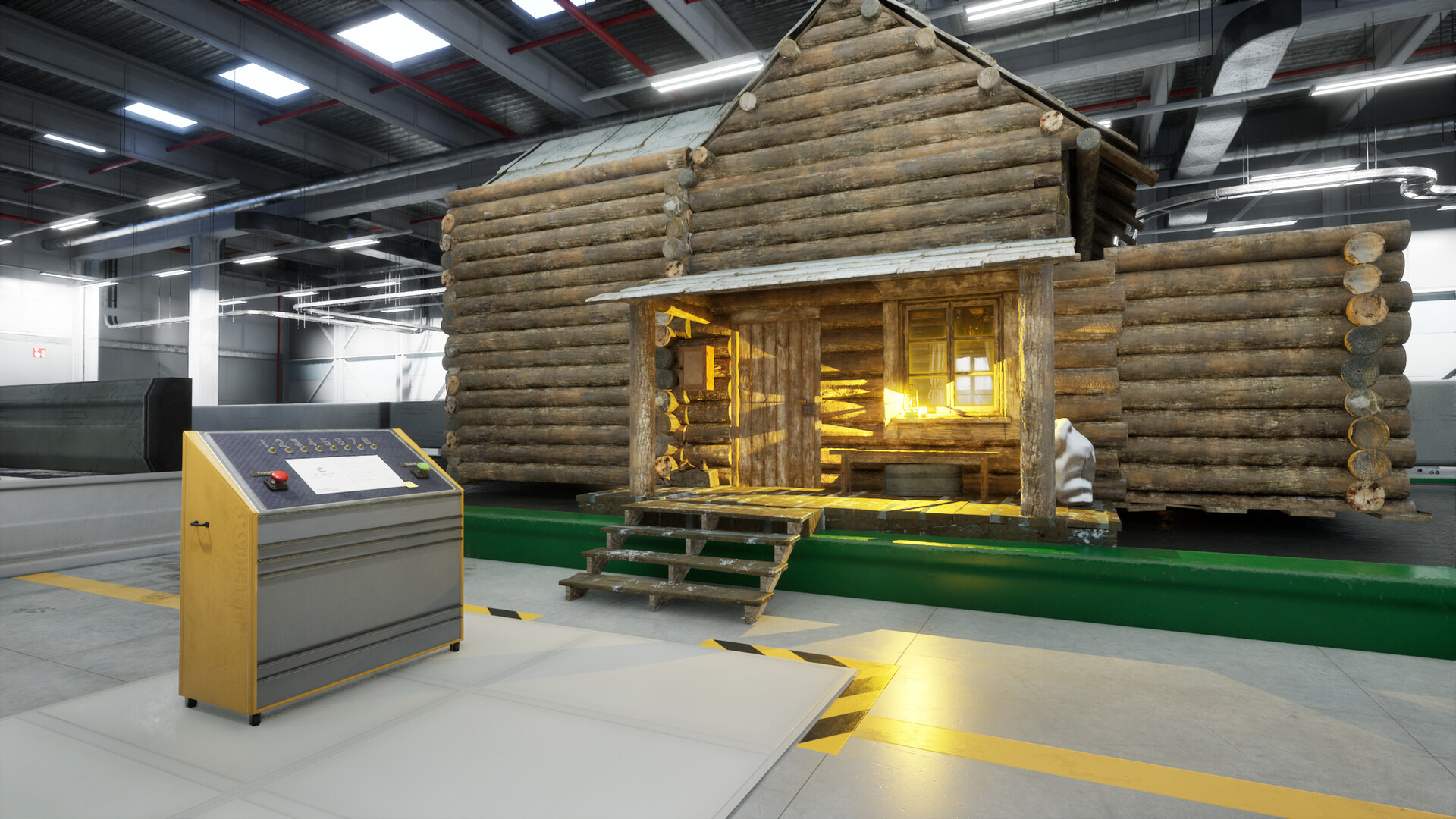
The Cabin Factory is a game that’s been on my radar for a long time. Visually, it looks like what you would expect from this generation of horror games. The aesthetic style is high quality, polished, with all the bells and whistles… which I think makes the way it takes on topics of trauma all the more novel.
The Cabin Factory is a brilliant way of representing trauma, and the metaphor of it. It leaves a lot of room for building empathy, even though it’s packaged in this traditional horror style. It very aggressively instills these dark metaphors in its environments, and expects the player to confront those head on. You’re tasked with inspecting cabins, and have to determine if they are haunted or not… Essentially, confronting darkness is your job. The spaces are a slow painful buildup of tension.
Gabby DaRienzo’s work has always been inspiring to me. I remember the Fantastic Arcade talk about “A Mortician’s Tale” from 2017. What always stuck with me was this respectful framing of death.
It’s such a different thing to bring to video games, where dying is a common occurrence often used as punishment for failure, that eventually loses any meaning. “You died” is a state…
You get used to viewing this topic, when it applies to games, just as a punishment. It has lost most of its weight.
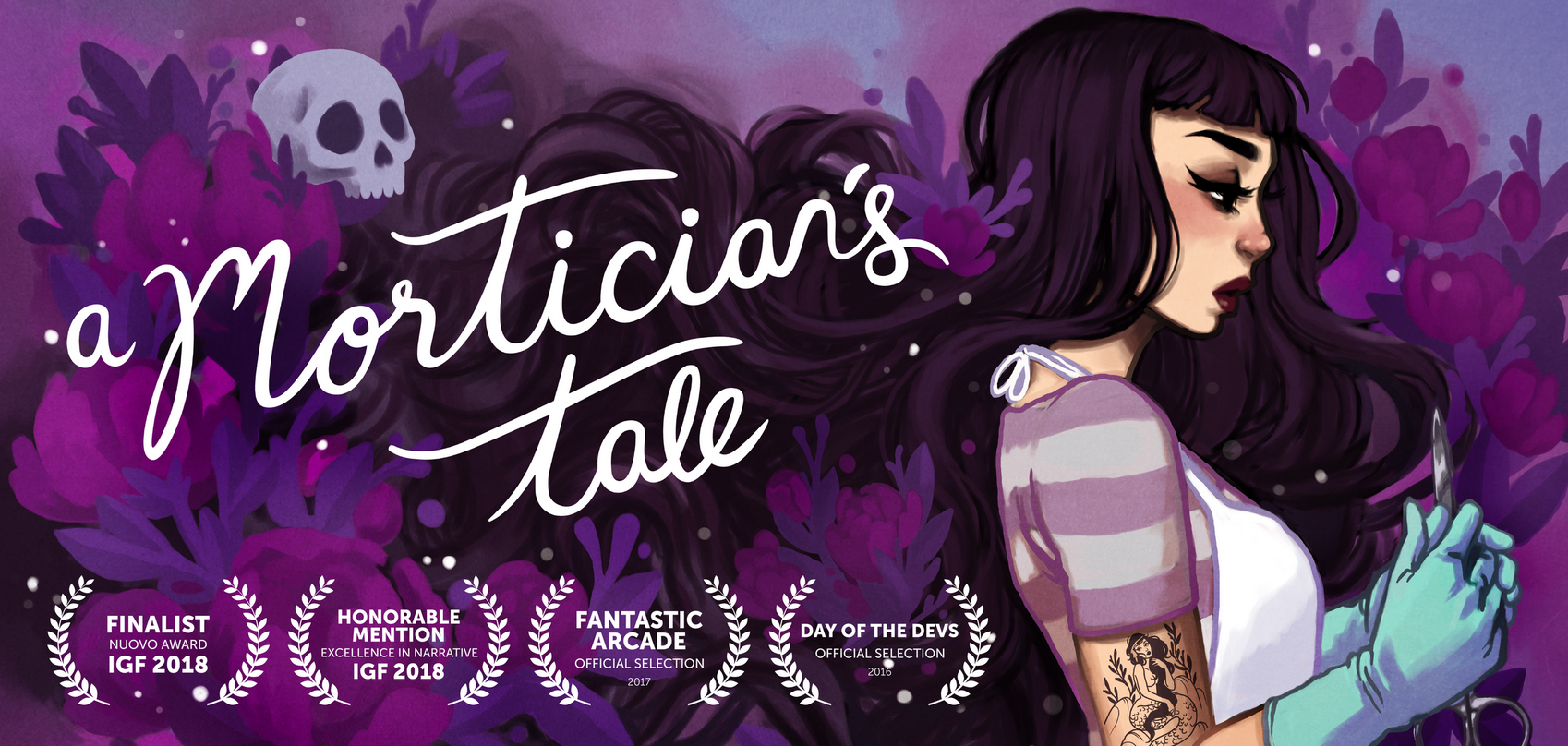
So here was someone talking about death as something you stop and think about. Death is given this space of respect in these game. The way this was handled in Mortician’s Tale always stayed with me.
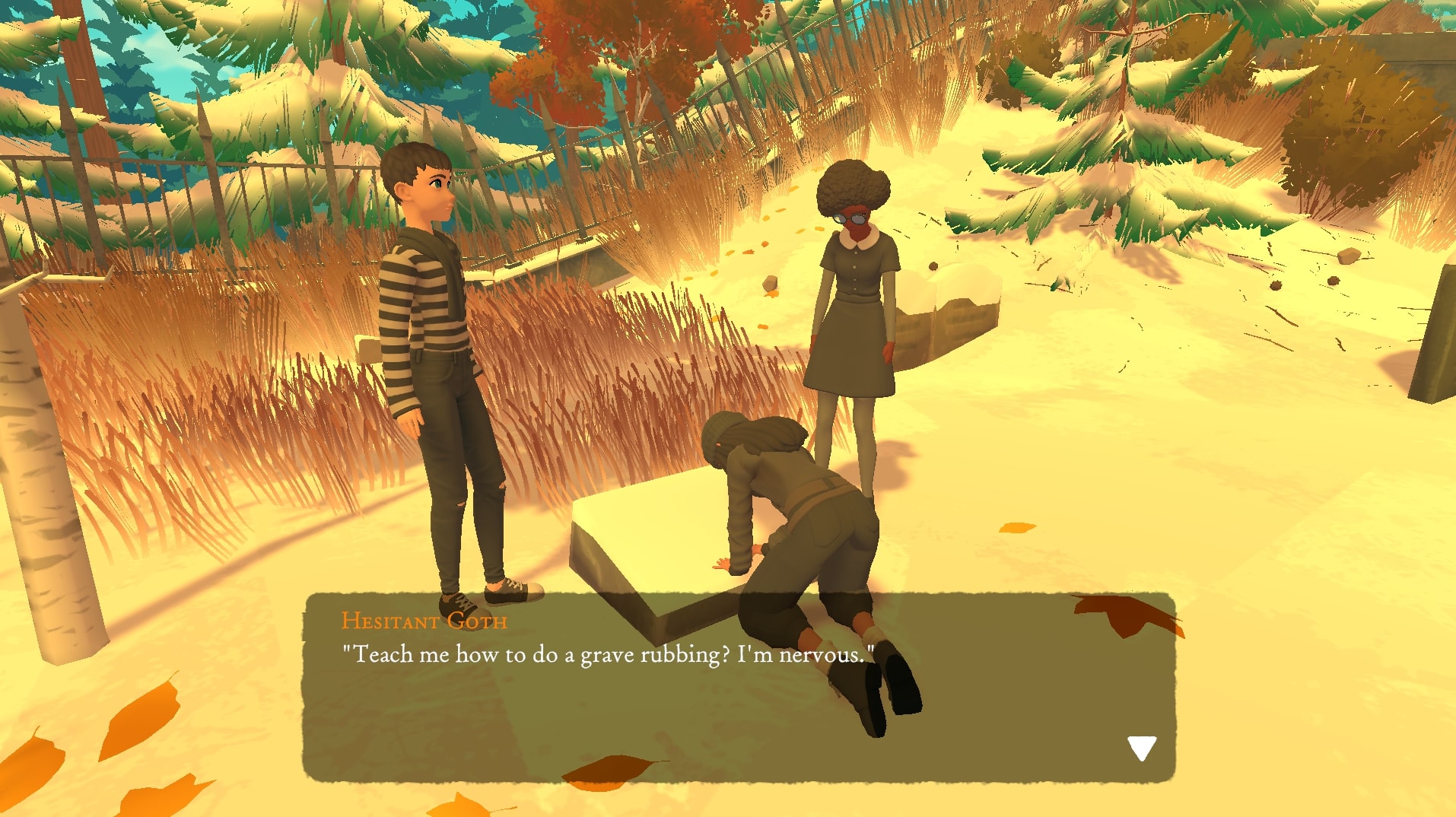
Seasonala Cemetery is a new game by the same developer (Gabby DaRienzo and friends). Again, it gave me a deeply moving experience. Yes, I cried.
It’s important to stress just how much this game gives you space.
Seasonala Cemetery is a contemplative experience where you walk through a cemetery and read grave stones. Hints at who the people were, who they were loved by… Occupy your mind as you wander.
The experience is something of a slow burn. Initially, you might not think much about walking through the space it has created. At some point it all just adds up, and you start reflecting on so much more than just the fragility of life.
It’s touching. It takes this topic of death, that video games don’t really treat seriously, and creates a type of reverence for it.
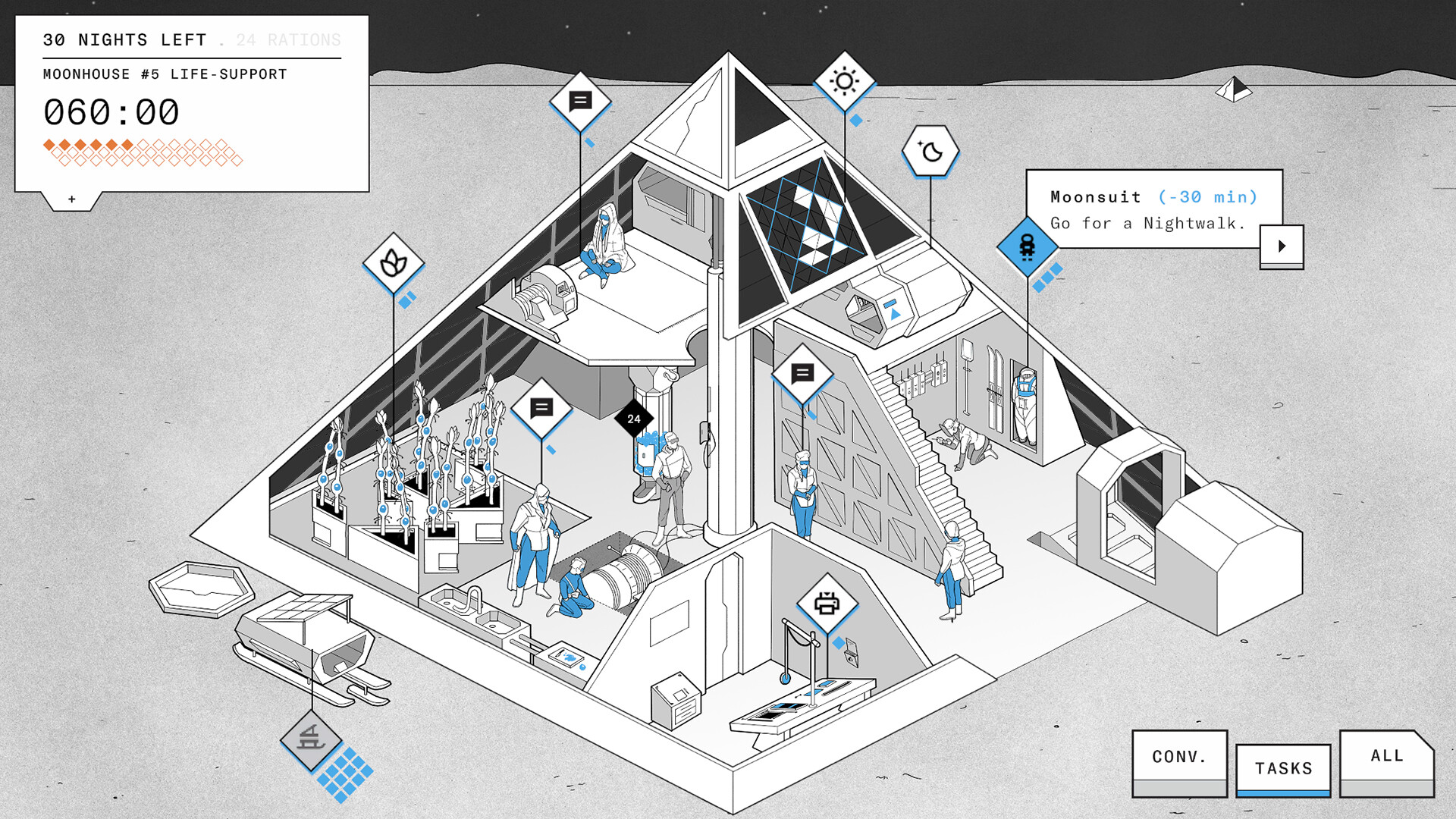
Still on the topic of death and the apocalypse (I feel like there’s a throughline with the last three games)… I would be remis if I didn’t also mention KUU.
KUU is also a slow burn. It’s fatalistic, sad, and has you confront impending extinction. It touches on themes of ecosystem, and environment, in ways that feel very pertinent to today.
It ends up building this pointed metaphor on the importance of preserving environment, especially with how it has you fight to exist in this dying space station. Every decision is calculated to stave off the inevitable.
The idea that Earth is gone (there’s nothing to go back to, you are stranded), and what’s left of humanity now relies on this intensely fragile and sparse ecosystem on the moon (of all places), made it chilling. KUU’s use of various mechanics as a type of metaphor reinforces its theme very well. It’s terrifying in good ways. I found it to be thoughtful, complex, and tedious.
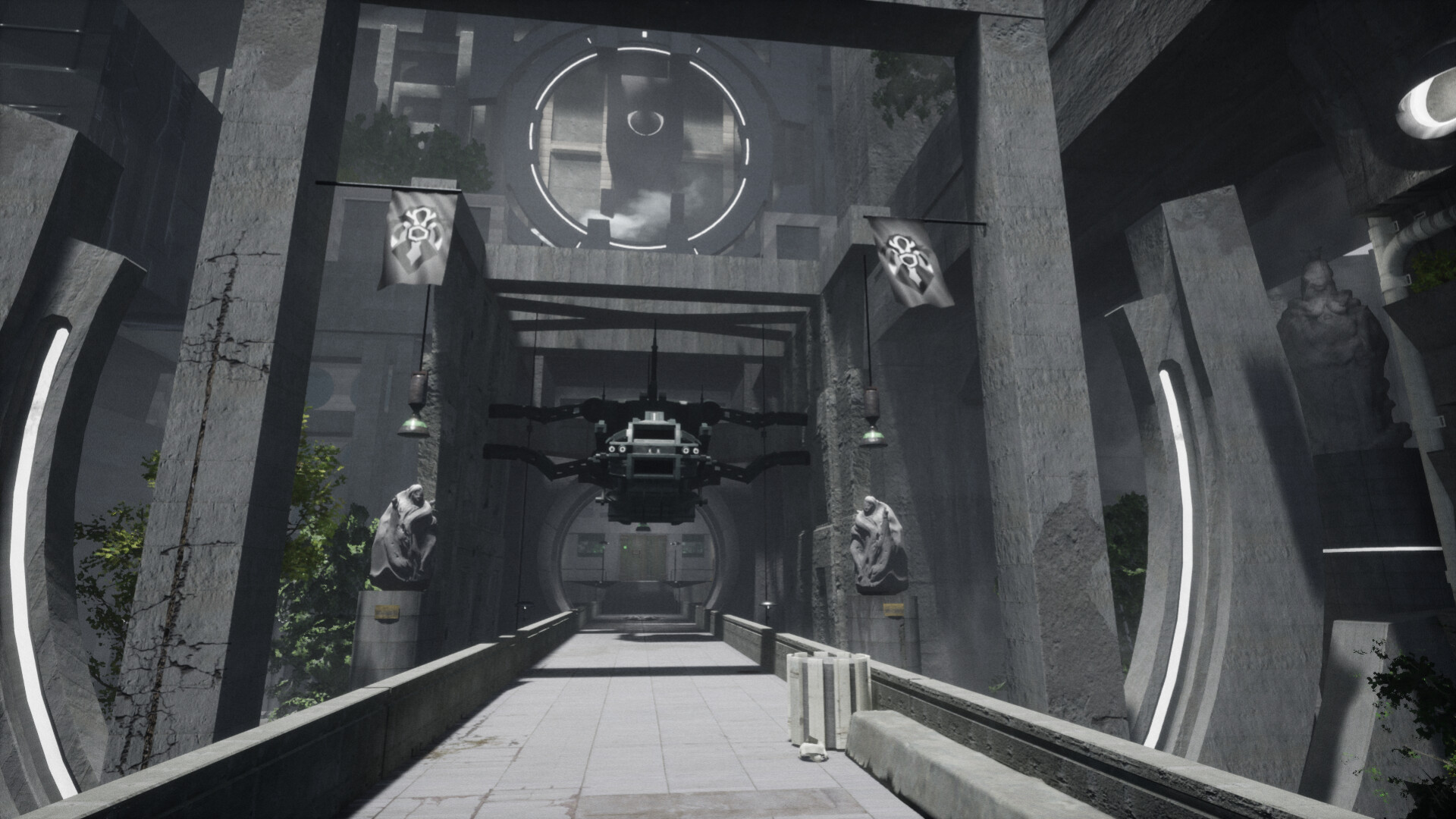
“A Doctor’s Term is a first person, narrative experience with pivotal choices set in an ominous sci-fi government facility: The Ministry of Health — Enter a story of treating menacing medical cases where daily work often defies expectations”
So I realize that I really drummed up treating death in meaningful ways in videogames with my last two recommendations… where death is not treated as a meaningless state… but I’m totally going to walk back on that now.
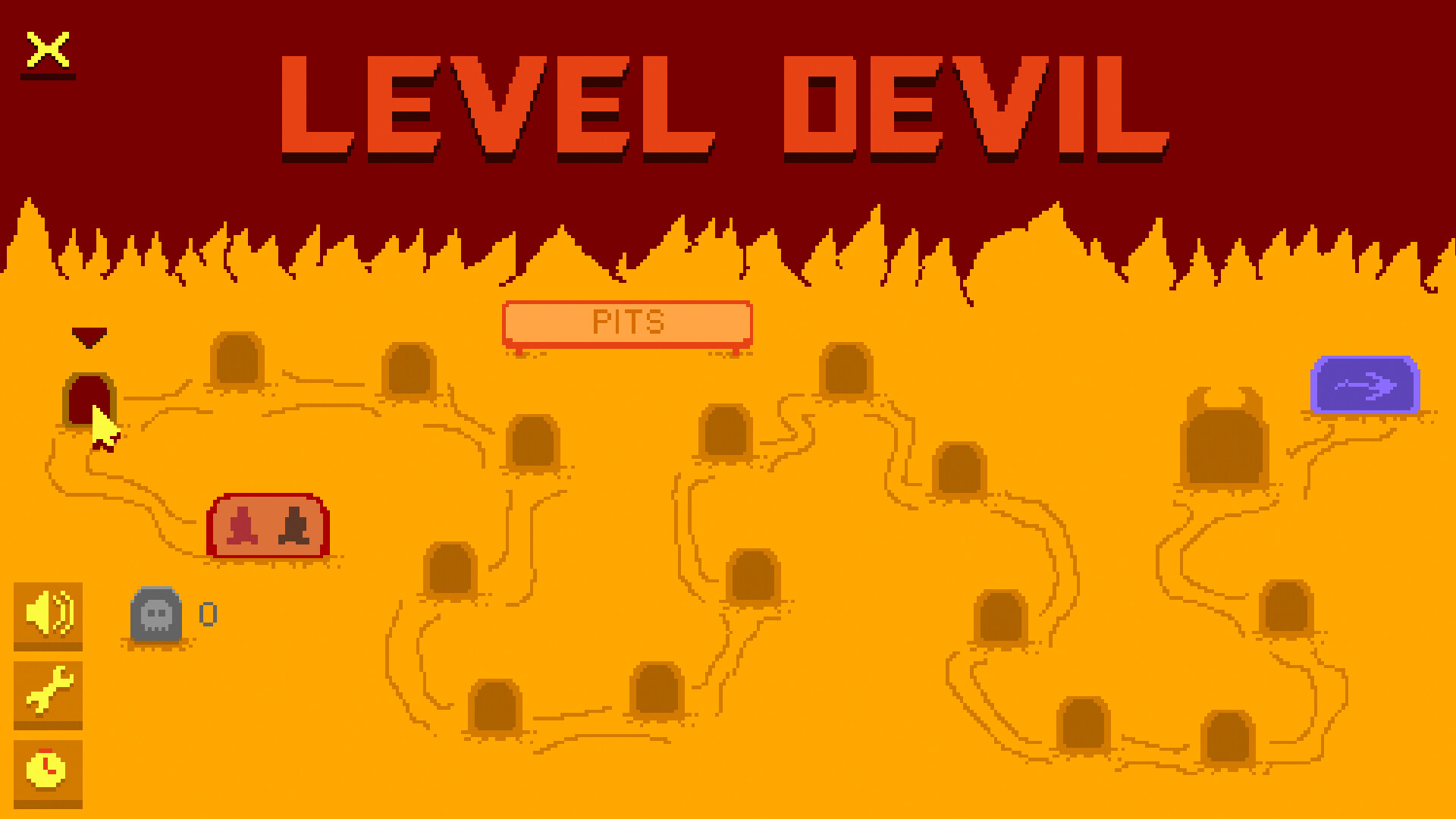
Level Devil, Adam Corey aka Unept
Level Devil was also on my radar for a long time. If you get indie game recommendations on your Instagram, where people show uniquely weird games that serve well as reaction videos, then you probably heard of it. You know… think of games like Chicken Scream.
I didn’t think much of it at first. I’m not sure if I really believed that it was a real game. It filled a very bizarre void on my social media feed, so I just kind of assumed it was probably a fake mobile game.
I was very wrong.
Level Devil is probably one of the biggest curve balls of a thing I played this year. I know I played a lot of weird things, but I didn’t expect this one.
I love it for how inventive and funny it manages to be with so very little. Level Devil maintains a fine balance between surprise and betrayal, with the charm being its simplicity.
I think that betrayal part is why it’s often referred to as a game that trolls the player.
It certainly comes off as an experience that is player hostile… but I would argue that, unlike other player hostile games, this one manages to actually make you laugh. To me that seemed to be the point.
You know that it will always throw a surprise at you. The tension of simplicity is what makes that buildup so funny. You know the game is built to mess with you. Every death is a surprise, even though this game is full of you dying.
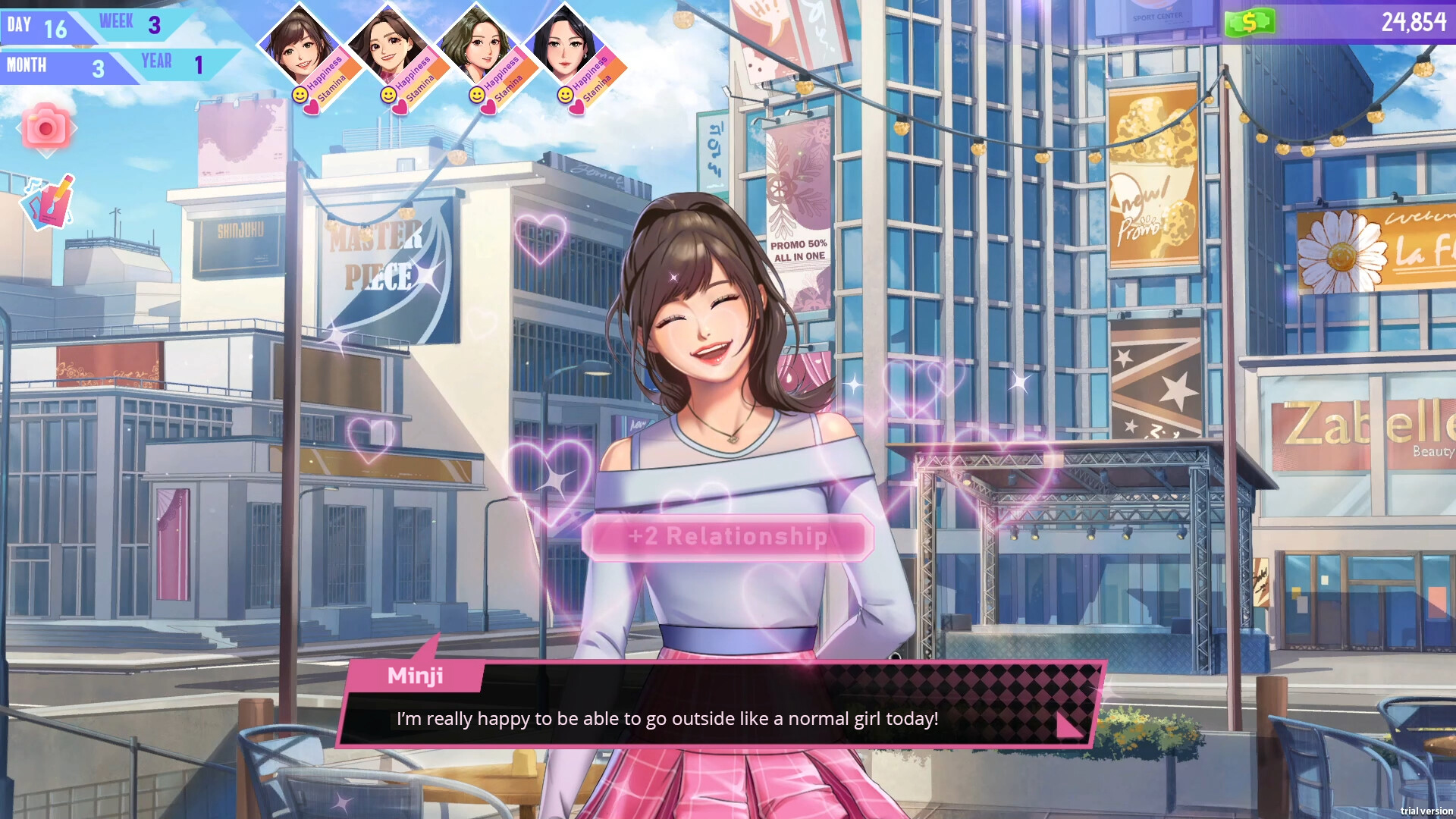
K-Pop Idol Stories (Road to Debut) is going to be randomly inserted here because I really liked it. I didn’t expect it to have so much depth… Or at least it was fairly engrossing. I couldn’t stop. So, if you are reading this, do try it!
I’ve been judging for the WEBBYs for a few years now, since winning one. It’s one of the events that I really look forward to because you get to see a LOT of mainstream trends, but mixed in with all the glamor of big names… you find these gems you might otherwise have missed.
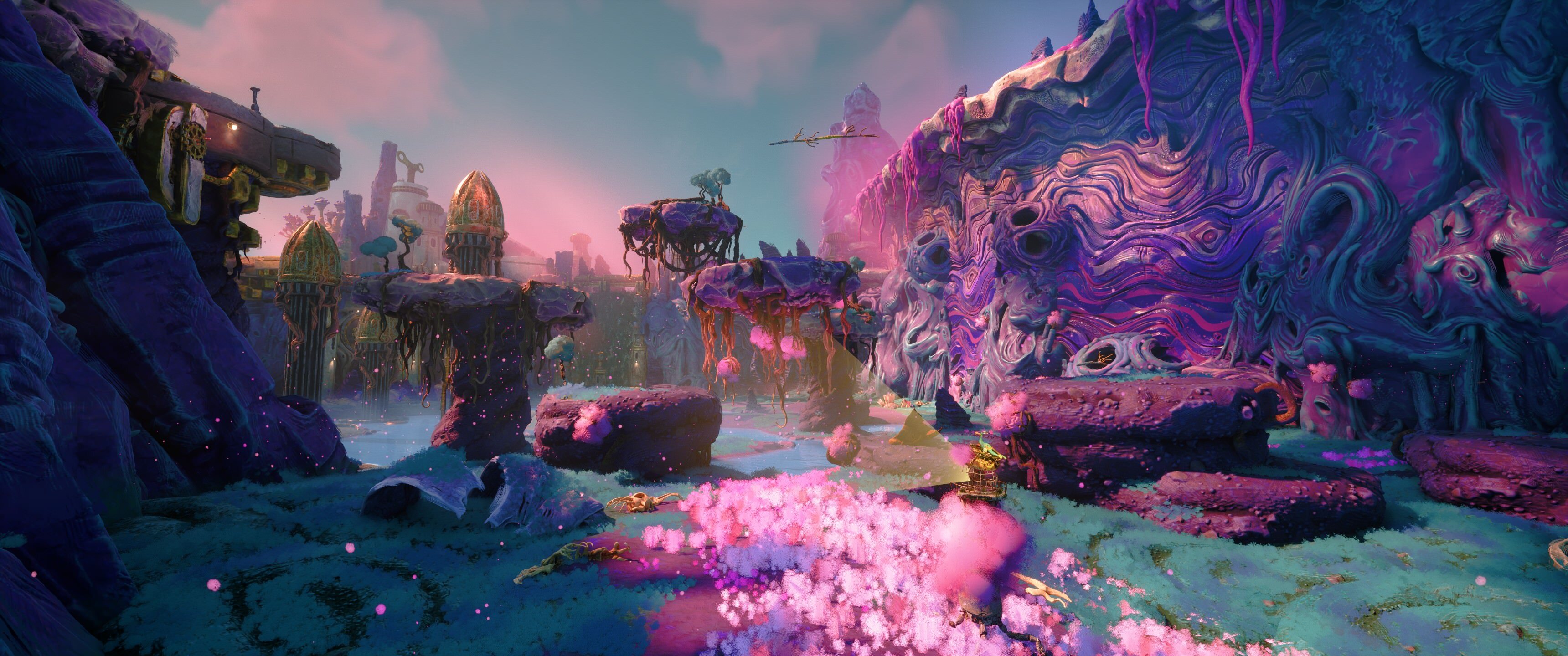
Keeper by Double Fine was one of those. It honestly feels like a game from another era… a better time, maybe.
It’s something of a fairy tale, combined with beautiful artistry. What I loved about it is the care taken to make it an approachable playing experience. The attention to detail is inspiring.
I suppose it has enough accolades, so I don’t really need to get into it too much here.
I don’t know… I guess I have one more story to unpack here before I end this and hit post.
While judging for the big mainstream event, The Elder Scrolls Oblivion Remastered showed up as an entry that I was assigned to. Assignments are random. Since I make games, I judge games.
I had to quit judging then.
I hated how I had to hover between saying “conflict of interest” and explaining why… Or recuse myself from judging entirely this year because I knew it would come up again in other categories.
My rapist was the composer for that game. I hate seeing it. That game would probably not have been as difficult to see if it wasn’t for the absolute endless slew of online harassment from the alt-right, incels, redpill gamers… that I’ve had to endure since that remaster was announced. It seemed constant for a while.
I know a studio like Bethesda would never say anything to condemn that for a lot of reasons… but it just seems like such a point of complacency when toxic fans of a thing feel emboldened to direct violence toward a rape victim. They loved posting memes from Oblivion, but framed as jokes about sexual assault.
To me, the game and its fandom means “alt right”. I know an entire studio has worked on it. It’s not “his game”… but the association is forever there. To me, toxic fans own it.
I gave the organizers a note about this and recused myself from judging entirely. They were very supportive about it. Which surprised me. After the way this entire story has been treated, I expected them to be horrible in some new way too. They were actually kind!
I think maybe some people that survived abuse in the game industry don’t actually just “leave” like everyone that abused them would hope for. They sometimes stay and end up making a name for themselves. They might even be responsible for judging your game someday. They might even say something about how they were treated.
So maybe don’t treat people horribly.
That’s it. That’s my ending rant.
Please go enjoy Seasonala Cemetery and Mini Mini Golf Golf. You won’t be disappointed!
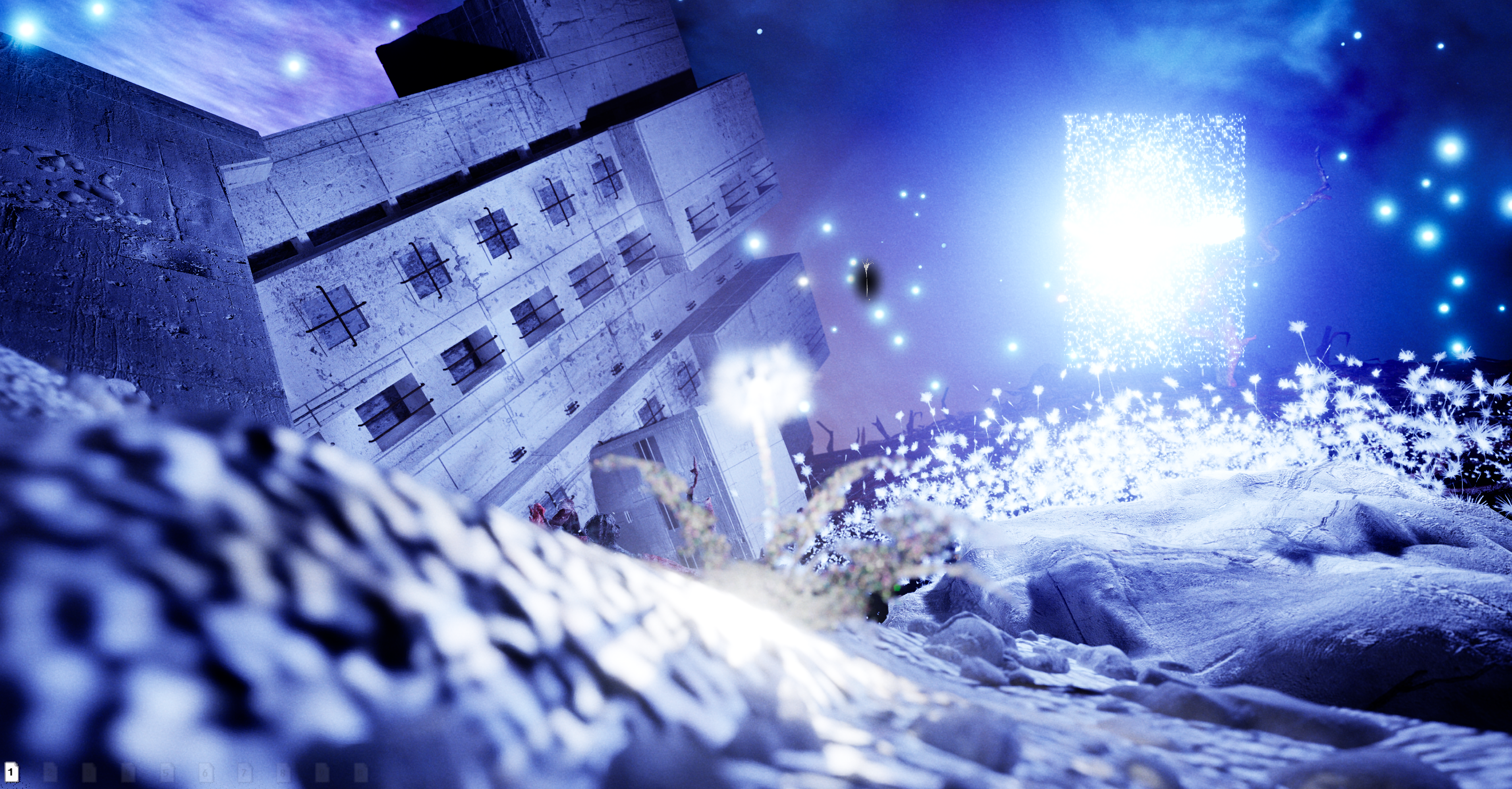
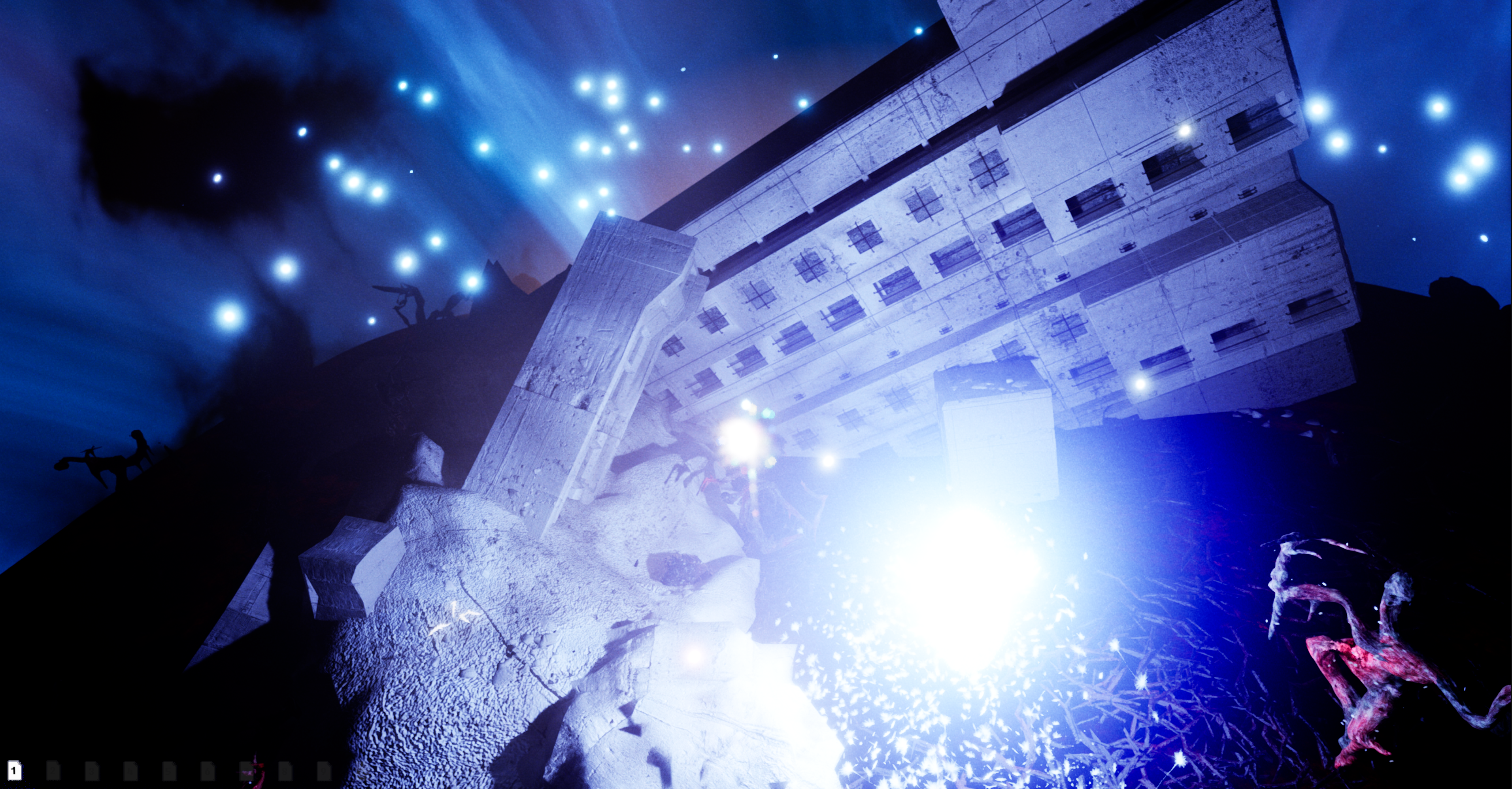
(Last two screenshots from the game I’m working on right now.)
